Learning stations allow teachers to divide classroom activities into smaller, focused experiences. Instead of having every student complete the same assignment simultaneously, students rotate through activities designed to develop different skills.
However, managing multiple stations can create challenges when several groups need to listen to different instructional materials.
Dedicated audio stations can help teachers organize digital activities while allowing other students to work with fewer interruptions.
What Is a Classroom Audio Station?
An audio station is a designated learning area where students use headphones or headsets to complete listening-based activities.
Depending on the curriculum, students might listen to recorded instructions, complete interactive lessons, practice pronunciation, or review multimedia materials.
These stations can operate independently or as part of a larger classroom rotation.
For example, an elementary classroom might include a reading station, a mathematics activity, a teacher-led discussion group, and a digital listening station.
Each group rotates between activities according to a schedule.
Why Dedicated Audio Stations Improve Classroom Organization
Without individual listening equipment, digital activities can introduce competing sounds into an already busy classroom.
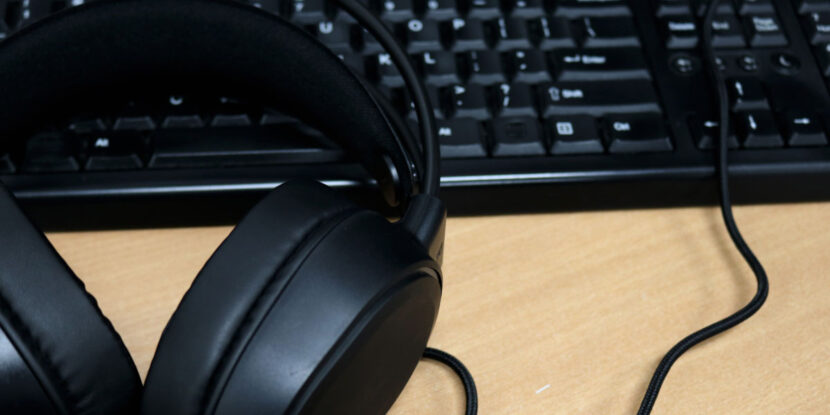
Using headphones/headsets for school classrooms allows students to hear instructional content without broadcasting it across the room.
This arrangement offers several practical benefits:
- Reduced sound interference: Students can listen to separate lessons without competing audio.
- More independent learning: Recorded directions allow students to review instructions when necessary.
- Flexible lesson planning: Teachers can incorporate audio activities without requiring whole-class participation.
- Better use of classroom space: Multiple learning activities can take place within one room.
- Simplified transitions: Students know where to find the equipment required for each station.
These benefits depend on thoughtful station design and clear classroom expectations.
Design Audio Stations Around Student Needs
Teachers should consider the age and abilities of their students when creating audio learning areas.
Younger students may benefit from simple activities with clear visual instructions and easy-to-use equipment.
Older students can complete more complex assignments involving research, recorded responses, and interactive educational software.
Station activities should also have a defined beginning and ending so students understand when to move to their next task.
For classrooms with limited space, portable audio kits can provide an alternative to permanent stations.
Establish Consistent Rotation Procedures
Smooth transitions are essential for successful learning stations.
Teachers can establish routines that students practice before beginning independent rotations.
For example, students should know how to connect their listening devices, adjust audio to a safe level, report technical problems, and return equipment after use.
Visual schedules or classroom timers can help groups understand when rotations begin and end.
For shared equipment, educators should also establish appropriate cleaning and handling procedures.
Simple expectations reduce confusion and help students become more independent.
Equip Your Learning Stations With Encore Data Products
Effective learning stations combine thoughtful instruction with dependable classroom technology.
Encore Data Products offers educational headphones, headsets, and audio accessories for classrooms using Chromebooks, computers, and other digital learning devices.
Whether your school is creating its first listening station or expanding an existing technology program, the right equipment can make classroom rotations easier to manage.
Explore educational audio solutions at Encore Data Products and find practical options for supporting interactive learning throughout the school day.